



Journey Private Page 2017
TRIP PARTICIPANTS
-
-
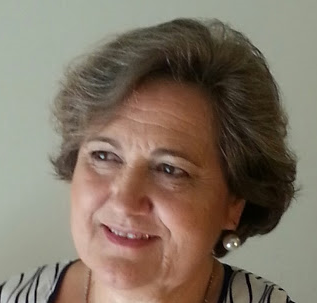
Mariana Abrantes
TOUR CO-LEADER
The dramatic events of 1940 came alive for me the first time I took this Journey, coming to feel and to understand the persecution and the fear which forced so many people to flee, but also the courage of Aristides de Sousa Mendes and the hope of the refugees looking for a safe haven in Portugal and beyond. Knowing when to take a stand, be it Charles de Gaulle's "Appel à la Résistance" or Aristides de Sousa Mendes's decision to "Save them All," two shining events in an otherwise dark period of history lead us to reflect on how we react to everyday dramas around us. I'm still wondering: Just how did the fragile-looking stairs of the consulate in Bayonne resist the avalanche of visa seekers? And did the refugees feel they had found a "little bit of home" when they saw the gracious French-style mansion of Casa do Passal in the midst of the Dão vineyards?
-
-
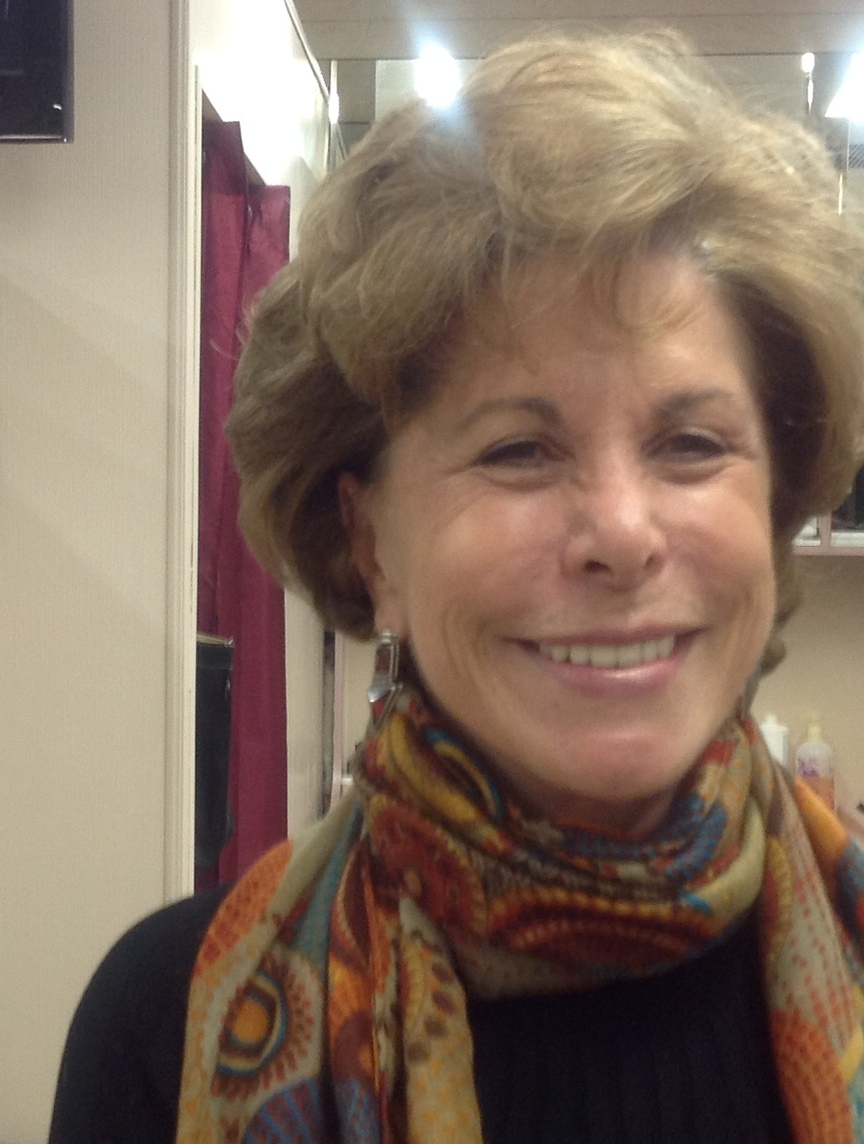
Barbara Berger Opotowsky
BERGER FAMILY
PARTICIPANT
I had always thought my Father left France before the takeover by the Vichy government. Discovering he left in 1940 after the imposition of the Vichy regime, with the critical assistance of Sousa Mendes, I would like to try and experience his escape.
-
-
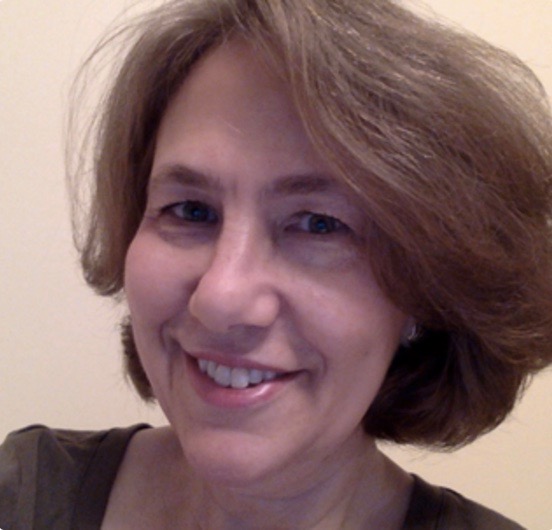
Deborah de Winter
DE WINTER FAMILY
PARTICIPANT
I am the granddaughter of visa recipients. I participated in the 2016 Journey. I look forward to seeing more of Portugal, meeting more people connected to the Sousa Mendes story, and traveling with friends who I met on the Journey last year.
-
-
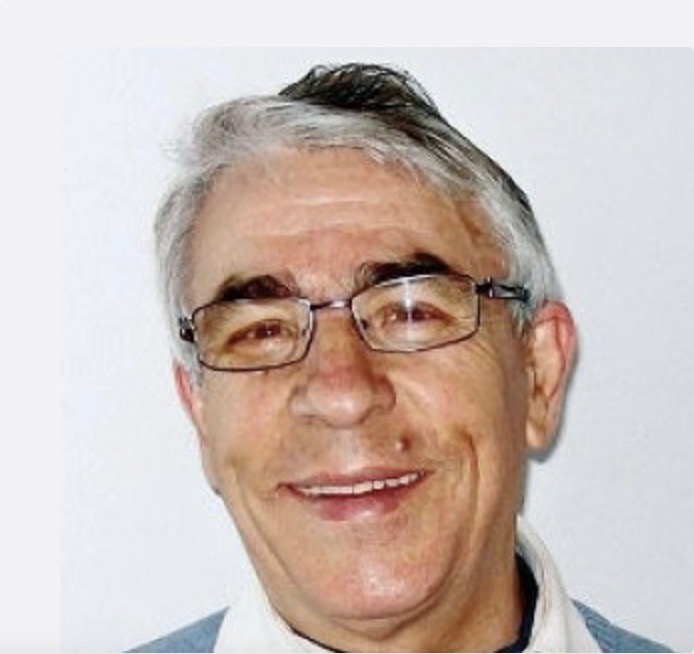
Manuel Dias
TOUR CO-LEADER
Manuel Dias Vaz est un humaniste citoyen du Monde, un Européen franco-portugais, un homme de convictions passionné par ses multiples engagements. Il participe à faire vivre et partager les valeurs universelles d'humanisme, de tolérance, de respect, de solidarité, et de fraternité. Manuel est docteur en sociologie de l'université de Bordeaux. Il préside le Rahmi (Réseau aquitain pour l'histoire et la mémoire de l'immigration), la section bordelaise de la Ligue des droits de l'homme. Il est vice-président et fondateur du Comité national français en hommage à Aristides de Sousa Mendes, et membre fondateur du Musée national de l'histoire de l'immigration. Manuel a consacré trente ans de sa vie à faire connaître l'histoire lumineuse d'Aristides de Sousa Mendes, des Justes parmi les Nations, et des Résistants durant la Seconde Guerre mondiale.
-
-
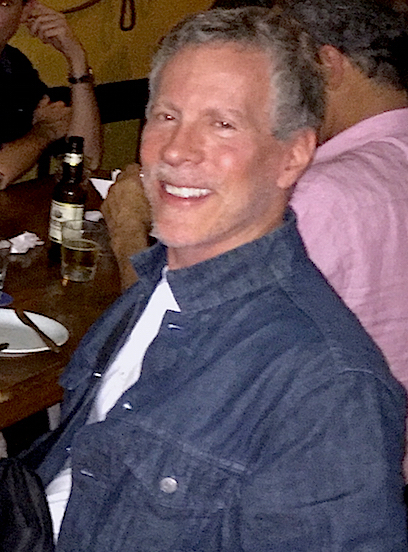
Mark Ginsburg
ETTINGER FAMILY
PARTICIPANT
My late mother was a Sousa Mendes visa recipient (Ida Ettinger, #2464). I am writing her biography. She told me many details of the journey from Paris to Portugal. I would like to experience it for myself, particularly with survivors and/or their descendants.
-
-
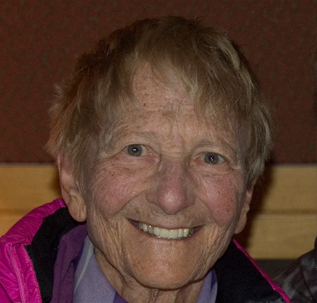
Lissy Jarvik
FEINGOLD FAMILY
PARTICIPANT
Without Aristides de Sousa Mendes I would not be here. It's as simple as that. Without Aristides de Sousa Mendes I would have suffered tortures so grievous and so prolonged that death would have been a welcome relief. Without Aristides de Sousa Mendes I would have missed out on three quarters of a century -- three quarters of a century which allowed me to breathe; to live, to love -- to mature, to marry, to have children, to study, to teach and to help a few people individually as well as to contribute a little bit to our knowledge base on aging and mental health. And I would have missed out on becoming part of a country which was the home of a truly free people, a country which offered opportunity to the disenfranchised, the downtrodden, the needy -- to people like me.
-
-
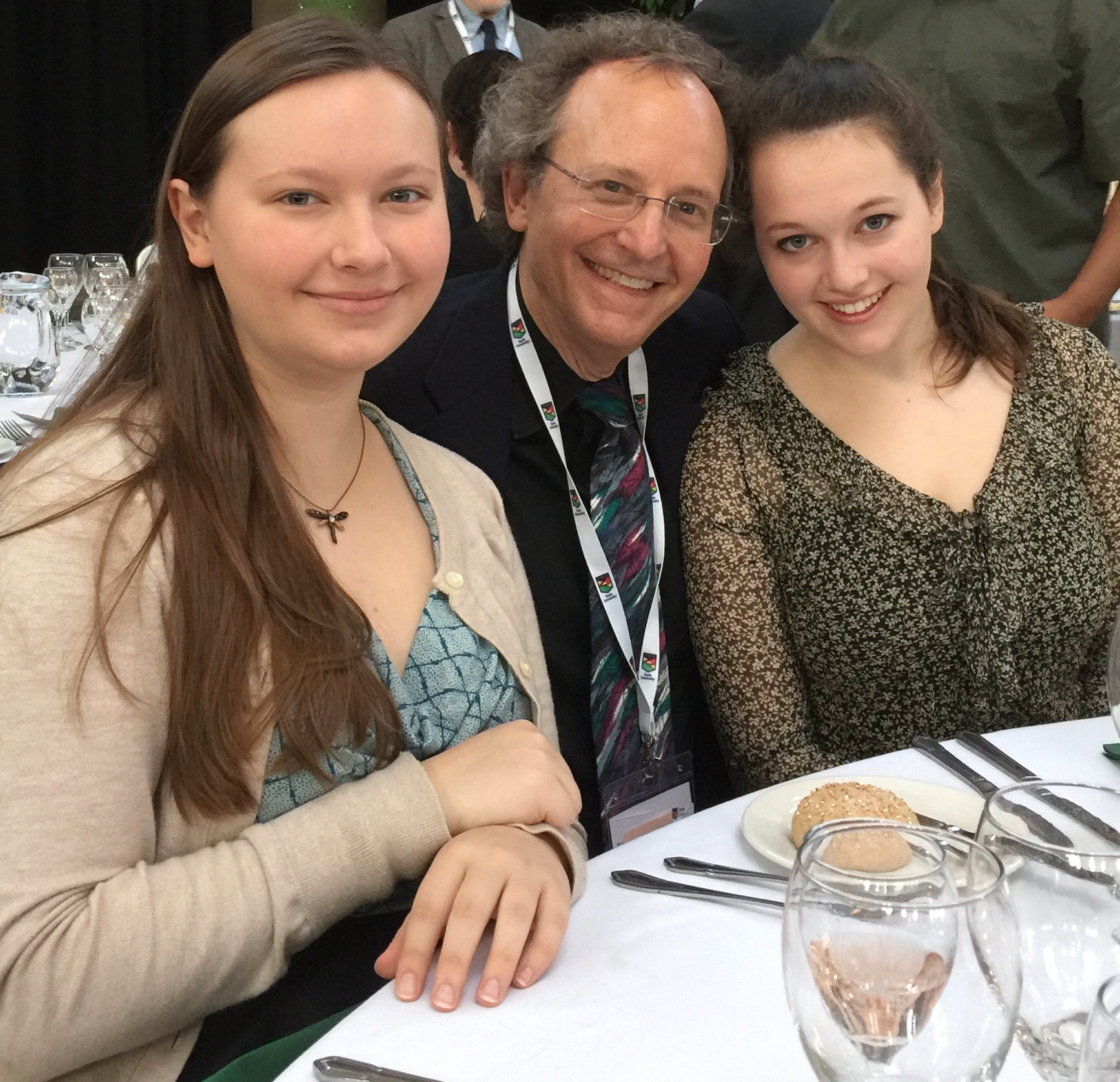
Jerry, Ella and Leah Jarvik
FEINGOLD FAMILY
PARTICIPANTS
My mother, Lissy Jarvik, along with my grandparents, Leo and Regina Feingold and my aunt, Sonja Rath, all received visas from de Sousa Mendes. My mother has gone on journeys of remembrance similar to this several times, most recently with my brother and his wife last year, but never with her grandchildren. Given her age, this will likely be her last trip of this sort, and her granddaughters did not want to miss the opportunity of exploring their family’s past with their grandmother. We all are greatly looking forward to the journey and meeting others with whom our families share this amazing past.
-Jerry
-
-
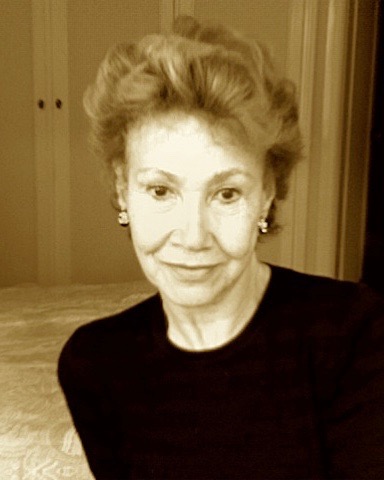
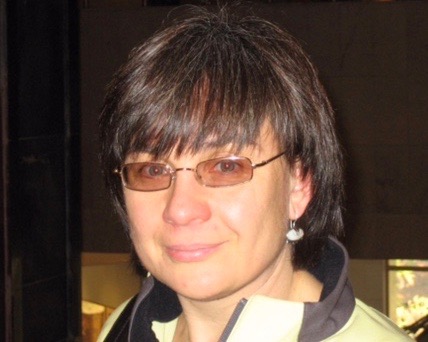
Alexandra Grinkrug
GRINKRUG FAMILY
PARTICIPANT
Through internet, 3 or 4 times around, I finally delved further into the life of Aristides de Sousa Mendes. My curiosity finally awakened: indeed 1940 was the year we arrived in N.Y. Having left Paris, saying goodbye to my dear "Nana," we stayed in Salies de Béarn, where I innocently played with the dog and watering hose, spraying the onlookers. What fun I had! Then I remember in Spain, all of our luggage falling off from the rack on top of our car, coming thunderously down, Ayyyy! Then Luso, Boussaco, my father white tuxedoed accompanied by my well perfumed mother leaving me in the care of Maria de Los Angelos, my Portuguese nanny, to go to the neighboring Casino. Then I remember being on the boat (Nea Hellas) and was told the unbelieved tale by Uncle Misha that the boat was being pulled by a whale!? But, what had all this to do with the consul in Bordeaux? I lazily got in touch with the Foundation & asked if my family name meant something? I was instructed to send documentation, which I had galore including a rare Nansen passport. Olivia, dear Olivia, pushed me to and fro for further details, clearer scans, etc. eureka the "evidence" was there among the 30000 saved! I have spent many hours since then finding photos of friends and family who were unsuspected of being indebted to Sousa Mendes. I am so thrilled to have unraveled such a magnificent & long lost tale. My only regret is that my parents never heard of their benefactor. As well as most of that generation who were so conscious of the peril. So I am proud to join in this "pilgrimage" to the memory of Aristides de Sousa Mendes, and gather some links to my well being & so far beautiful Life, to be accompanied by my little cousin Helena Klots, participating in this excitement! Thank you.
-
-
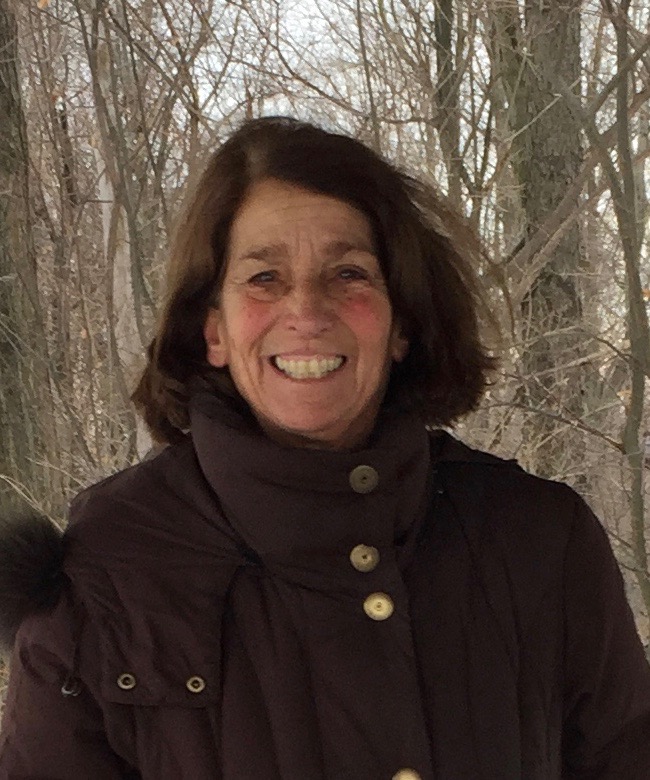
Helena Klots
GRINKRUG FAMILY
PARTICIPANT
I am fascinated with the story of Aristides de Sousa Mendes. There are two main reasons for this. My great uncle Onesime (Nika) Grinkrug, my favorite aunt Alex Grinkrug (who is on this trip), my other uncle Misha Grinkrug -- they all were saved from Nazi extermination by Sousa Mendes. They left France for the United States at the last moment (or, it seems, even slightly after the last moment). And we never knew the real story of their miraculous escape until recently. This is why both Alex and I are on this trip. But there is one more reason that makes this trip so significant for me. I was raised in the Soviet Union, and I had the first-hand experience of how difficult, and sometimes dangerous, it was to be Jewish. It took eight years of struggle, experience of intimidation and interrogations for my husband, me and our four children to escape the Soviet Union. Eventually we were released from the Soviet Union and could go to Israel. It happened just at the very beginning of Perestroika. After six years in Israel my husband's career brought us to California, where we live now. So the narrative of the escape, surely not even remotely as dramatic as of my great uncle Nika and of my aunt Alex, is still very close to my heart. It is definitely still a part of my life. And this is why I am fascinated and amazed by people like Sousa Mendes.
-
-
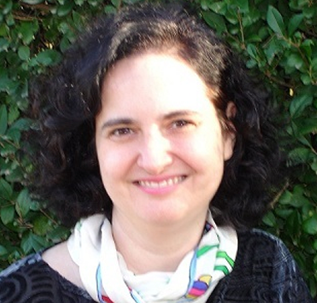
Paulette Freed
KLEINHAUS FAMILY
PARTICIPANT
I'm interested in following the path my parents took to their freedom as well as sharing this experience with others who have a similar story.
-
-
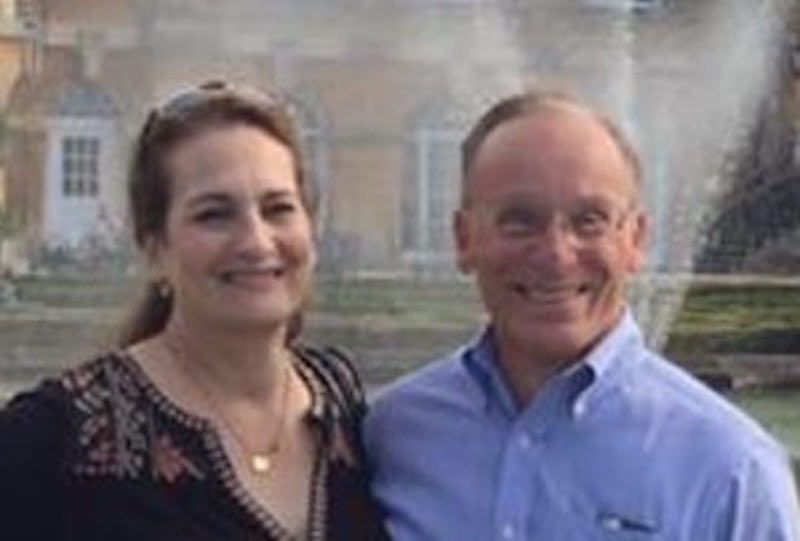
Olivia Mattis
MATUZEWITZ FAMILY
TOUR CO-LEADER
I am a musicologist by training and profession and grew up in Scarsdale, NY. My father and eleven other members of my family received visas from Aristides de Sousa Mendes as they fled from Belgium in May and June of 1940. In 2010 I co-founded the Sousa Mendes Foundation, which I ran for five years on top of my full-time job in academic administration. Now I am devoting my daytime hours to the Foundation, and feel very fulfilled.
-
-
Marianne Rosenberg and Burt Ovrut
ROSENBERG FAMILY
PARTICIPANTS
This trip is to honor the memory of Sousa Mendes who saved 17 members of my family, including my grandfather Paul Rosenberg, the legendary Paris-based art dealer. My father, Alexandre Rosenberg, was also a visa holder but never got to use it as the French authorities refused to let young men over 17 leave France; he ultimately escaped nevertheless and joined the Free French Forces under De Gaulle. Over the years I had heard and read much about Sousa Mendes' extraordinary courage. Finally, through this journey, I will be able to connect to his name and to his family, and retrace the steps that my distraught but grateful family took towards safety and freedom. It promises to be both a historically interesting and an emotionally charged trip. I would not miss it for anything. I will be joined by Professor Burt Ovrut, part of whose family also lived in Paris prior to the German invasion and fled through various means to the United States.
-Marianne
-
-
Gerald Mendes
SOUSA MENDES FAMILY
TOUR CO-LEADER
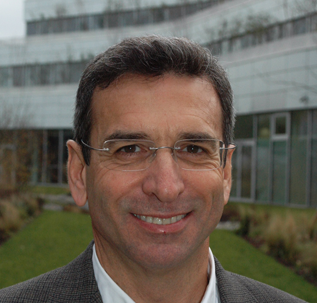
I'm very pleased and honored to join this 3rd edition of the "Journey on the Road to Freedom" that will bring us together in the footsteps of the refugees, of Aristides de Sousa Mendes and his family. Other family members will join us as well in different parts of this trip. I look forward to hearing your testimonies and personal stories, as each one of them enriches and documents the story of my grandfather, Aristides de Sousa Mendes. This Journey will also take us to beautiful areas of France, of Spain and finally Portugal, where the refugees were greeted with so much humanity in 1940, despite the shameful "Circular 14" of Salazar.
-
-
Rebecca and Sandy Barber
STEPPEL FAMILY
PARTICIPANTS
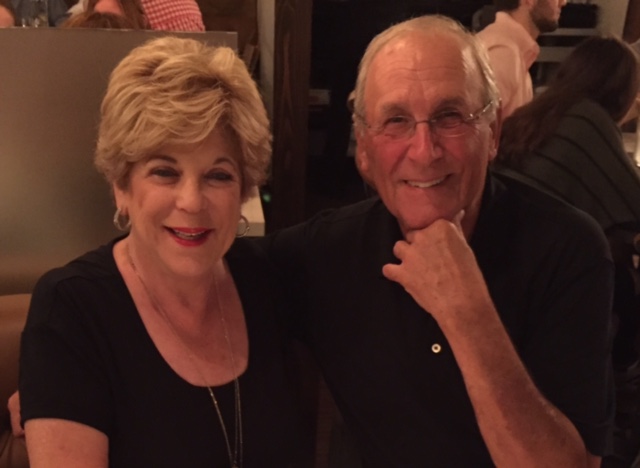
My husband and I are making this journey in hopes that we will continue to unravel details of my mother's escape from Dusseldorf to Lisbon. I am in possession of a beautifully written diary (in German) that my mother kept from 1939 to 1941. She was only 19 years old. She never spoke of her wartime experiences. It has been translated, edited and self published. We now know that she and her immediate family received visas from Aristides de Sousa Mendes. We are excited to see all the places she so vividly described.
-Rebecca
-
-
Ella Andriesse
VAN DEN BERGH FAMILY
PARTICIPANT
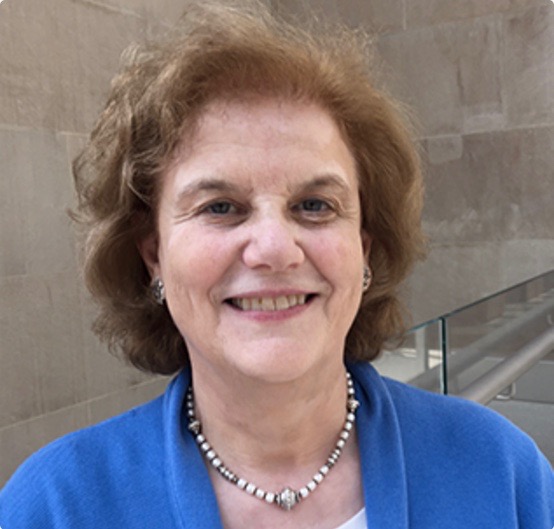
I participated in the 2016 trip, which was memorable. Porto and Estoril were not included in that trip. As they were important in the WWII journeys of my family, I am joining the 2017 trip to experience these important locations as well.
-
-
Cookie Fischer
VAN DEN BERGH FAMILY
PARTICIPANT
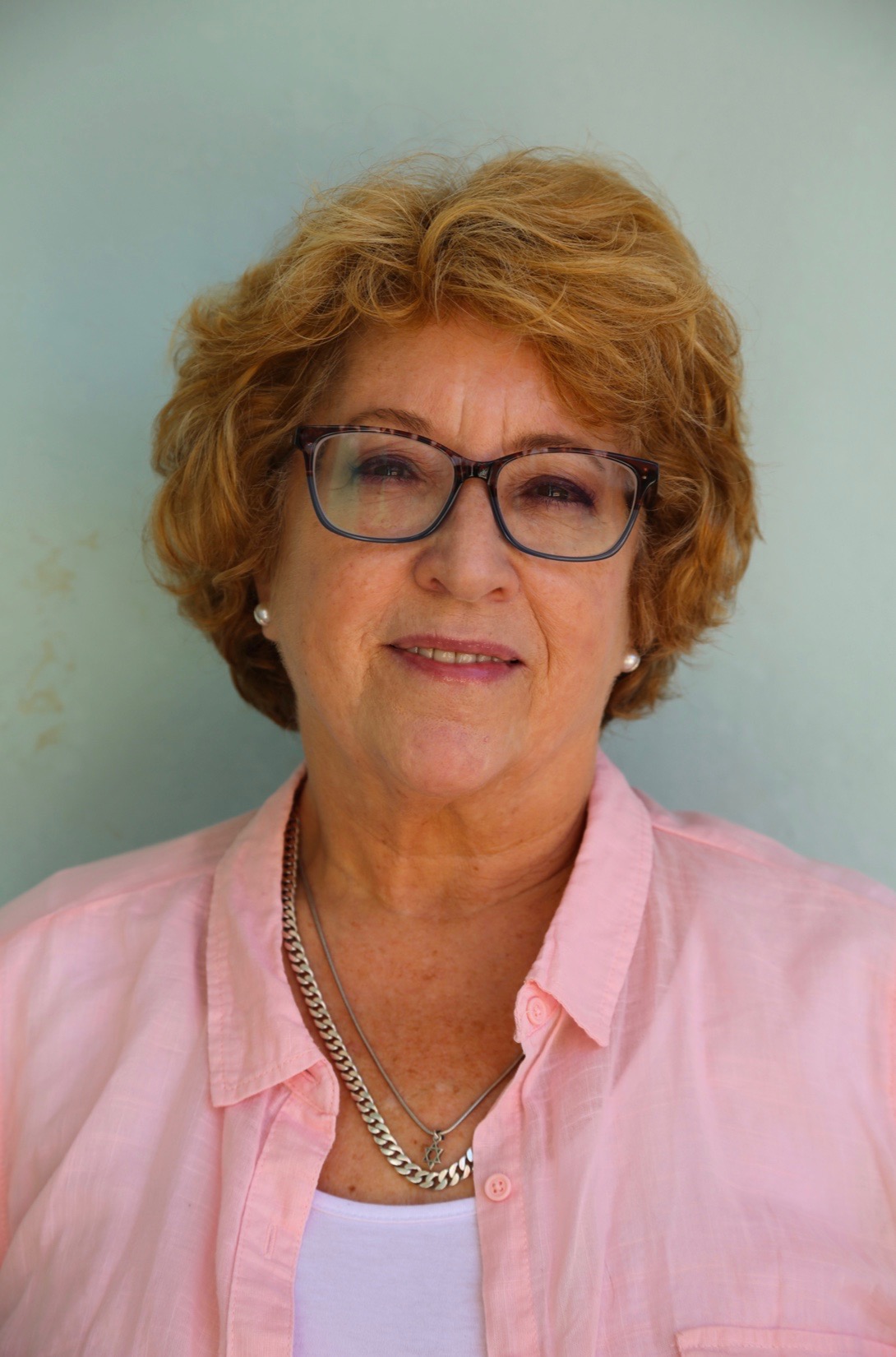
My mother Ada van den Bergh was a visa recipient. My cousin Ella Andriesse was a participant in the 2016 trip. In our conversation we discovered so many hidden secrets that my mother never revealed. I would like to experience her escape and feel the courage she showed. This is a once in a lifetime possibility to understand her determination to survive. My mother was a survivor. This I have inherited from her.







| DAY | DATE | CITY TO WAKE UP | CITY TO SLEEP | TIME | PROGRAM |
| CHECK IN BORDEAUX **** Mercure Bordeaux Cité Mondiale Centre Ville, 20 quai des Chartrons, telephone +33 5 56 01 79 79 | 6 p.m. | Tour begins with a wine and cheese reception in Restaurant Le Parvis of the Mercure Bordeaux Cité Mondiale Centre Ville. | |||
| 7 p.m. | Dinner in Restaurant Le Parvis. | ||||
| SUN | 25-Jun-17 | BORDEAUX | BORDEAUX | 8:30 a.m. | Breakfast at hotel. |
| 9:15 a.m. | Board the bus for transportation to Esplanade Charles de Gaulle. | ||||
| 9:30 a.m. | Visit bust of Aristides de Sousa Mendes on the Esplanade Charles de Gaulle. Explanations by Manuel Dias and Gerald Mendes. Testimonials of Gerald Mendes, Leah Jarvik and Ella Jarvik. | ||||
| 10:30 a.m. | Board the bus for transportation to the synagogue. | ||||
| 11 a.m. | Visit Grande Synagogue de Bordeaux, where thousands of refugees gathered in June 1940 and which was later used by the Nazis as an antechamber to deportation. Explanations by Jean Pierre Illouz. Testimonials of Rebecca Barber and Barbara Berger Opotowsky. Lunch at synagogue. | ||||
| 2 p.m. | Visit Centre national Jean Moulin, 48 rue Vital Carles, a museum devoted to the French Resistance. | ||||
| 3:30 p.m. | Meet in front of the Centre national Jean Moulin for a walking tour of historic Bordeaux. Explanations by Manuel Dias. | ||||
| 7 p.m. | Dinner in Restaurant Le Parvis of the Mercure Bordeaux Cité Mondiale Centre Ville. | ||||
| MON | 26-Jun-17 | CHECK OUT BORDEAUX | 8:30 a.m. | Breakfast at hotel. | |
| 9:30 a.m. | Visit Parc des Quinconces where hundreds of thousands of refugees camped out in the open air. Explanations by Manuel Dias. Testimonial of Olivia Mattis. | ||||
| 10 a.m. | Visit old Portuguese Consulate where Aristides de Sousa Mendes distributed visas in 1940. Explanations by Manuel Dias and Olivia Mattis. Testimonial of Mark Ginsburg. | ||||
| 11 a.m. | See Cours du Médoc internment camp that was liberated with visas from Aristides de Sousa Mendes. Explanations by Olivia Mattis. | ||||
| 11:15 a.m. | Travel to Municipal Archives, to see original documents pertaining to the Sousa Mendes story. Explanations by Manuel Dias. | ||||
| 12:30 p.m. | Lunch in the courtyard of the Mercure Bordeaux Chateau Chartrons, 81 cours Saint-Louis. | ||||
| 2 p.m. | Travel to Bayonne (2 1/2 hours). | ||||
| CHECK IN BAYONNE **** Mercure Bayonne Centre Le Grand Hôtel, 21 rue Thiers, telephone +33 5 59 59 62 00 | 5 p.m. | Walk to the old Portuguese Consulate in Bayonne where Sousa Mendes ordered visas to be issued by Vice-Consul Manuel de Vieira Braga and where he personally also issued visas. See the fountain and cathedral plaza where thousands of refugees stood in line in the pouring rain clamoring for visas. Explanations by tour guide Andy Fisher. Testimonials of Alexandra Grinkrug, Jerry Jarvik and Cookie Fischer. | |||
| 7:30 p.m. | Dinner at Les Garçons Bouchers. Joined by Marie-Rose and Guy Faure. | ||||
| TUE | 27-Jun-17 | 8 a.m. | Breakfast at hotel. | ||
| 9 a.m. | Travel to St. Jean de Luz, where some refugees left France to join Charles de Gaulle’s forces in London. Testimonial of Marianne Rosenberg. | ||||
| 10 a.m. | Travel to the border town of Hendaye. | ||||
| 10:30 a.m. | Walk across “freedom bridge” linking France to Spain. Explanations of Manuel Dias. Testimonials of Paulette Freed and Lissy Jarvik. | ||||
| 12 p.m. | Board the bus to San Sebastián. | ||||
| 12:30 p.m. | Lunch at La Fábrica in San Sebastián. | ||||
| 1:45 p.m. | Travel to Salamanca. | ||||
| CHECK IN SALAMANCA **** Abba Fonseca Hotel, Plaza de San Blas 2, telephone +34 923 01 10 10 | 8:30 p.m. | Dinner in Restaurant La Abbadia at Abba Fonseca Hotel. | |||
| WED | 28-Jun-17 | CHECK OUT SALAMANCA | 9 a.m. | Breakfast at hotel. | |
| 10 a.m. | Visit the Old City of Salamanca. | ||||
| 12:15 p.m. | Lunch in Restaurant La Abbadia at Abba Fonseca Hotel. | ||||
| 1:30 p.m. | Travel to Portuguese border town of Vilar Formoso, where the refugees were welcomed in 1940 (1 1/2 hours). | ||||
| 3 p.m. | Arrive in Vilar Formoso train station. Visit construction site of “Frontier of Peace” Museum with Mayor António Baptista Ribeiro, architect Luisa Pacheco-Marques, historian Margarida Ramalho, and a representative of the Rede de Judiarias. Testimonials of Barbara Berger Opotowsky and Marianne Rosenberg. | ||||
| 5 p.m. | Travel to Viseu (1 1/2 hours). | ||||
| CHECK IN VISEU ***** Pousada de Viseu Spa Hotel with outdoor and indoor pools, rua Hospital, telephone +351 21 040 7610 | 6:30 p.m. | Arrive in Viseu. Free time and opportunity to take advantage of the hotel’s pool and spa facilities. | |||
| 8 p.m. | Dinner at Restaurant Viriato in Pousada de Viseu Spa Hotel. | ||||
| THU | 29-Jun-17 | VISEU | VISEU | 8 a.m. | Breakfast at hotel. |
| 8:45 a.m. | Board the bus for Cabanas de Viriato (45 minutes). | ||||
| 9:30 a.m. | Arrive in Cabanas de Viriato. Visit cemetery where Sousa Mendes and his wife Angelina are laid to rest. Stroll to Casa do Passal and step into the atrium to see the morning sun streaming through the colored glass. Remarks by Gerald Mendes. Group photo on the steps of the house. | ||||
| 11 a.m. | Visit Aristides de Sousa Mendes middle school and see “Duty of Memory” installation created by students. Explanations by Mariana Abrantes. | ||||
| 12 p.m. | Courtesy visit to City Hall, Carregal do Sal, to meet the Mayor. | ||||
| 12:45 p.m. | Board the bus to Viseu. Get off at Rossio and walk up to restaurant. | ||||
| 1 p.m. | Lunch at restaurant Maria Xica, Viseu. | ||||
| 3 p.m. | Free time to walk around, shop, visit the Grão Vasco Museum or the city parks, or enjoy the hotel’s pool and spa. | ||||
| 5 p.m. | Board the bus to Beijoz (45 minutes), and get off at Angelina’s house. Visit church where Aristides and Angelina were married. Explanations by Mariana Abrantes. | ||||
| 6:30 p.m. | Catered Arraial (sardines, wine, music) in village park near Mariana’s house in Beijoz. Cool off feet in Mariana’s backyard watering tank. | ||||
| 9:30 p.m. | Board bus to return to Viseu. | ||||
| FRI | 30-Jun-17 | CHECK OUT VISEU | 8:30 a.m. | Breakfast at hotel. | |
| 9:30 a.m. | Travel to Porto (2 hours). | ||||
| 11:30 a.m. | Walking tour of “refugee Porto” beginning at São Bento train station, continuing to Praça da Batalha and walking down the via Santa Catarina. Explanations by Olivia Mattis. | ||||
| 12:30 p.m. | Lunch at Restaurante Abadia, 22 rua do Ateneu Comercial do Porto. | ||||
| 1:45 p.m. | Free time for shopping or sightseeing. | ||||
| 2:45 p.m. | Board the bus to the hotel. | ||||
| CHECK IN PORTO ***** HF Ipanema Park Hotel with rooftop pool, 124 rua de Sarralves, telephone +351 22 532 2121 | 3 p.m. | Opportunity to relax and enjoy the hotel pool. Change for synagogue and dinner. | |||
| 4:45 p.m. | Board the bus to the synagogue. | ||||
| 5 p.m. | Visit the Kadoorie Mekor Haim Synagogue, the largest synagogue in the Iberian peninsula. Learn the history of Captain Barros Basto and the founding of the synagogue. Explanations by Hugo Miguel Vaz. Testimonials of Ella Andriesse and Cookie Fischer. | ||||
| 7 p.m. | Dinner at restaurant to be announced. | ||||
| 8:30 p.m. | Private concert by fado virtuosi Pedro Fernandes Martins and António Marramaque. | ||||
| SAT | 1-Jul-17 | PORTO | 7:45 a.m. | Breakfast at hotel. | |
| CHECK OUT PORTO | 8:45 a.m. | Morning stroll on the Douro River, Casa do Infante, Cais da Ribeira (Pousada Pestana Vintage) | |||
| 10 a.m. | Board the bus to travel to Curia (1 hour 20 minutes). | ||||
| 11:20 a.m. | See the Curia Palace Hotel where refugees resided in 1940. Explanations by Olivia Mattis. Testimonials of Rebecca Barber and Mark Ginsburg. | ||||
| 12 noon | Travel to Luso, where Alexandra Grinkrug lived in 1940 (1/2 hour). | ||||
| 12:30 p.m. | See the Luso Casino, where refugees spent time in 1940. Testimonial of Alexandra Grinkrug. | ||||
| 1 p.m. | Lunch at the restaurant João Vaz on the terrace of the Buçaco Palace Hotel, overlooking the garden and pond. | ||||
| 2:30 p.m. | Travel to Figueira da Foz, where Lissy Jarvik lived in 1940 (one hour). | ||||
| CHECK IN FIGUEIRA DA FOZ **** Mercure Figueira da Foz, 22 avenida 25 de Abril | 3:30 p.m. | Free time for beach, shopping or sightseeing. | |||
| 6:30 p.m. | Cocktail reception at the Tennis Club of Figueira da Foz. Testimonials of Lissy and Jerry Jarvik. | ||||
| 7:30 p.m. | Dinner buffet at Restaurant O Astrolábio at Mercure Figueira da Foz. | ||||
| SUN | 2-Jul-17 | 8:30 a.m. | Breakfast at hotel. | ||
| 10 a.m. | Presentation at Hotel Mercure of Figueira da Foz during the war by Ana Paula Cardoso, librarian of Municipal Archives. | ||||
| 11 a.m. | Walking tour of central neighborhood “Bairro Novo” through the addresses of the refugees of 1940. Explanations by Frederica Jordão. Testimonial of Paulette Freed. | ||||
| 1 p.m. | Lunch in Figueira da Foz at Casa dos Suecos. | ||||
| CHECK OUT FIGUEIRA DA FOZ | 2:30 p.m. | Travel to Lisbon (2 1/2 hours) | |||
| CHECK IN LISBON +++++ Hotel Dom Pedro Palace, 24 Avenida Engenheiro Duarte Pacheco, telephone +351 21 389 6600 | 5 p.m. | Arrive in Lisbon. Free time and opportunity to take advantage of the hotel’s pool and spa facilities. | |||
| 7 p.m. | Board the bus to go to dinner. See memorial to 1506 massacre in Largo Sao Domingos. | ||||
| 7:30 p.m. | Dinner in the Old City of Lisbon. | ||||
| MON | 3-Jul-17 | LISBON | LISBON | 8 a.m. | Breakfast at hotel Dom Pedro |
| 9:15 a.m. | Walk to synagogue. 900 yards | ||||
| 9:30 a.m. | Visit Shaare Tikvah Synagogue, where refugees gathered in 1940. Testimonials of Ella and Leah Jarvik. | ||||
| 10:45 a.m. | Bus to Portuguese Foreign Ministry. MNE | ||||
| 11 a.m. | Visit to the Portuguese Foreign Ministry archives to see the names of our families in the original 1940 visa registry book of the Portuguese Consulate in Bordeaux. Visit hosted by Archive Director Margarida Lages. Explanations by Olivia Mattis. Testimonial of Deborah de Winter. | ||||
| 12:30 p.m. | Lunch at Restaurante di Casa, Av. Infante Santo, 13, Lisbon. | ||||
| 2 p.m. | Exploring Lisbon. | ||||
| 4 p.m. | Return to hotel. Free time and opportunity to take advantage of the hotel’s pool and spa facilities. | ||||
| 5:30 p.m. | Private group session to discuss what we have seen, learned, and experienced. | ||||
| 7:15 p.m. | Board the bus to go to dinner. | ||||
| 7:30 p.m. | Farewell dinner at Restaurant ArdeMar at riverside marina, Doca de Santo Amaro Armazém, 4. Joined by Leah Rozenfeld Sills, daughter and granddaughter of visa recipients. | ||||
| TUE | 4-Jul-17 | CHECK OUT LISBON | 8 a.m. | Wake up in Lisbon. End of trip. |
I am very excited about this interesting and wonderful group! If you click on the family names (e.g. "FEINGOLD FAMILY") under each participant name, you will learn more about each family on the trip.